Fashion
The Stone Hour
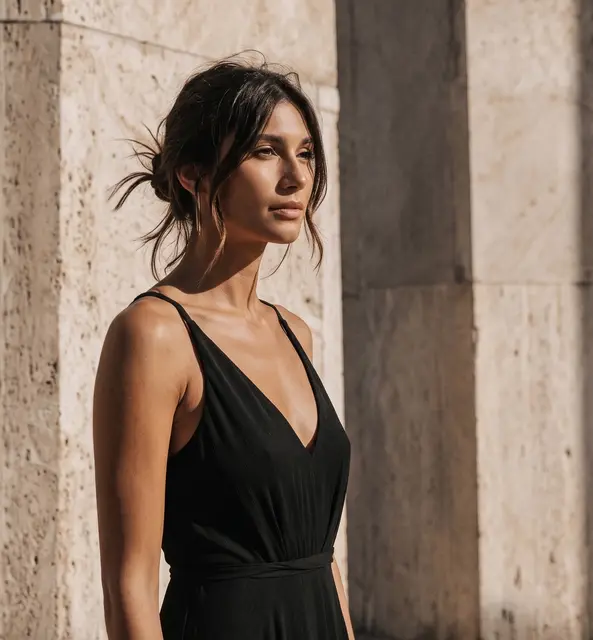
Travertine holds the day’s heat long after the light has gone. Black silk, bare shoulders and the discipline of standing still.
V1 C2 C14 C13V2 E7 E6V3 B5 B6
VESTA is a journal from Rome with its own label and atelier. Each issue is a season. The stories are shot in VESTA clothes, the pieces in them can be bought, and the gowns are made to measure. The site comes in three switchable art directions: Classic, Modern and Brutalist.
The Row, Khaite, Toteme and Jil Sander put product categories straight into the menu. Lookbooks and stories sit in the footer. A label site where the shop is secondary doesn’t look believable.
032c is a magazine that runs its own label: its whole menu is “Magazine · Store”. Leading with the journal is what lets the shop stay quiet and still feel real.
Most houses hide it as “Book an appointment” in the footer. It gets a menu item only when it’s the heart of the house, as with Danielle Frankel’s “Custom Studio”. At VESTA the gowns in the stories are that reason.
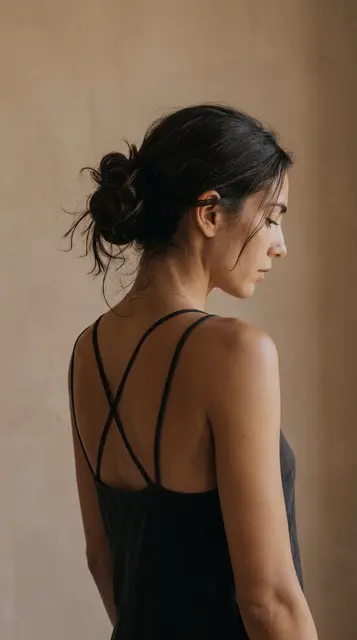
The 41 photos show one consistent wardrobe (black silk slips, black tailoring, ivory silk, organza veils, wool coats) shot in Roman and coastal settings. That reads as a house’s own clothes in its own stories.
Research: 14 magazine sites and 15 label/atelier sites scanned on 14 Oct. The notes are in the project’s reference/ folder.
Hierarchy rule: the journal leads, the atelier is why the house exists, and the shop is a quiet utility. If all three get equal weight, the site turns muddled.
The menu order sets the importance. The logo goes to the current issue. Footer: About · Stores (the Rome atelier) · Client services · Newsletter · Instagram · Legal.
Cover story, editor’s letter, the five stories, then two quiet bands: “From the atelier” and “Shop the issue” (four pieces).
One design, used for all five stories. It ends with “Worn in this story”: the pieces, each opening in the shop. Gown stories add “Made to measure: book a fitting”.
What made-to-measure means at VESTA, the process in four steps, the fabrics, and an appointment request form (simulated, nothing gets sent).
Ten pieces on one page. A piece opens in a side panel (images, sizes, add to bag), plus a bag drawer and no checkout. There’s no separate product page, which keeps the shop small and saves a design.
| URL | Page |
|---|---|
vesta.previewpage.tech/ | Three covers of the same issue, pick a version |
/v1/ /v2/ /v3/ | Home = current issue |
/v1/journal/the-stone-hour/ … | Story pages (5 per version) |
/v1/atelier/ /v1/shop/ | Atelier, Shop (a piece opens as /v1/shop/#long-slip-dress) |
The V1 / V2 / V3 switcher sits apart from the menu, as a small fixed control (also keys 1/2/3). Switching keeps you on the same page, and on the same open piece in the shop.
Five stories across four sections (Fashion, Beauty, Places, People), plus an editor’s letter. The copy is shared by all three versions. Each version uses its own photo set, as you sorted them, so “Worn in this story” lists whatever pieces appear in that version’s photos. Issue title: “Heat” (Vesta was the Roman keeper of the hearth fire, and every set is about warmth).
Travertine holds the day’s heat long after the light has gone. Black silk, bare shoulders and the discipline of standing still.
Organza, silk and an afternoon of weather. Clothes that only finish themselves in motion.
No ring light, no retouching. Skin in raking sun, photographed at the distance of a held breath.
A coastline you reach by stairs, not roads. A week on the Tyrrhenian, and what the sea leaves on you.
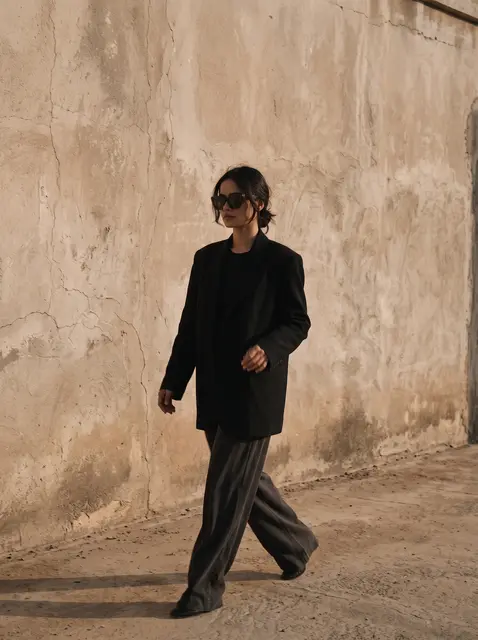
Why everyone in this issue keeps going back to one black jacket, and what it protects them from.
All copy (letter, five stories of 400–700 words, product descriptions, atelier text, captions, credits) is written in one file once you approve.
Every story in this issue was shot before eleven in the morning or after five in the afternoon, when the sun is low enough to touch things instead of flattening them. We didn’t plan it. We noticed it in the edit, and then we couldn’t stop noticing it.
Everything you see on these pages was cut in our atelier on Via dei Coronari: the slips, the black jacket, the gown that takes four fittings and outlasts all of them. Issue 01 is about heat, the kind you keep.
Every piece already appears in a photo, and that photo becomes its worn image. No photo is used for two pieces: each piece gets exactly one product image and one worn image. The product image (invisible mannequin, plain backdrop) comes at the final stage: you generate it in Nano Banana from my prompt, with the worn photo cropped to the garment as the reference. Until then the worn photo stands in. Prices are invented; tell me if you want a different level.
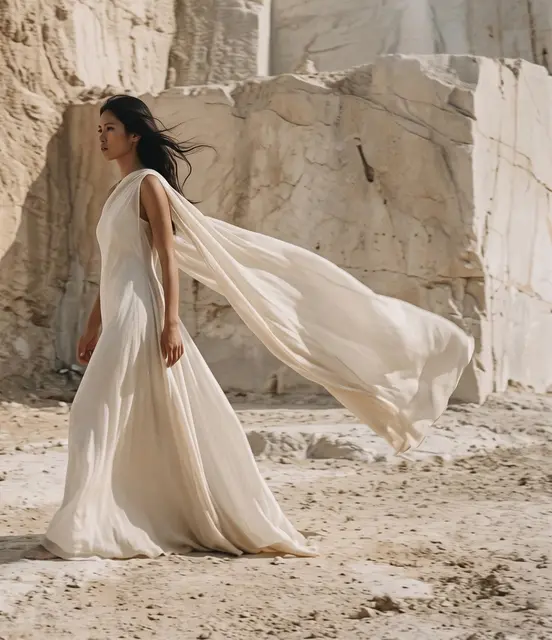
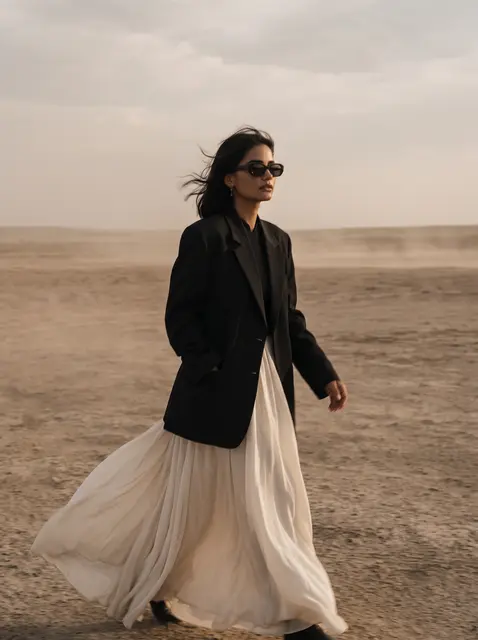
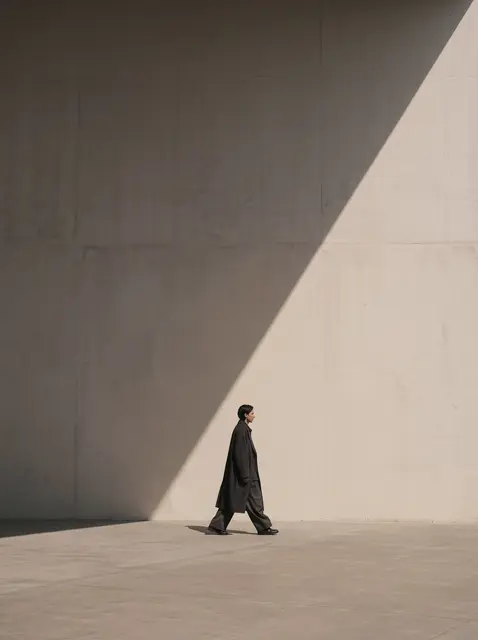
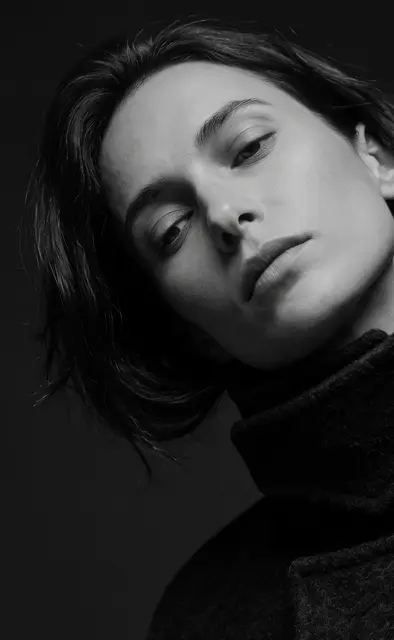
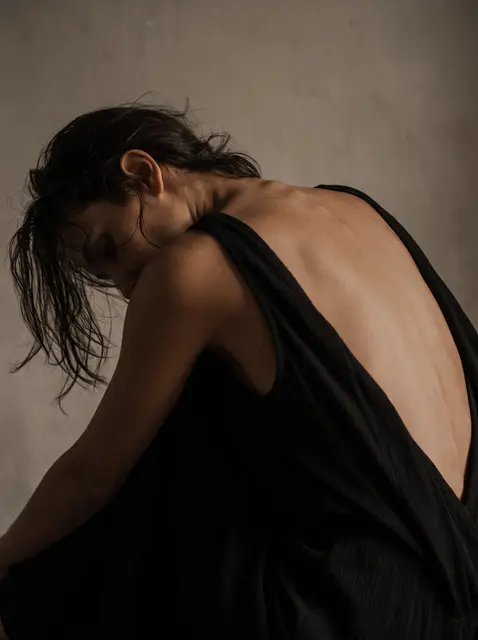
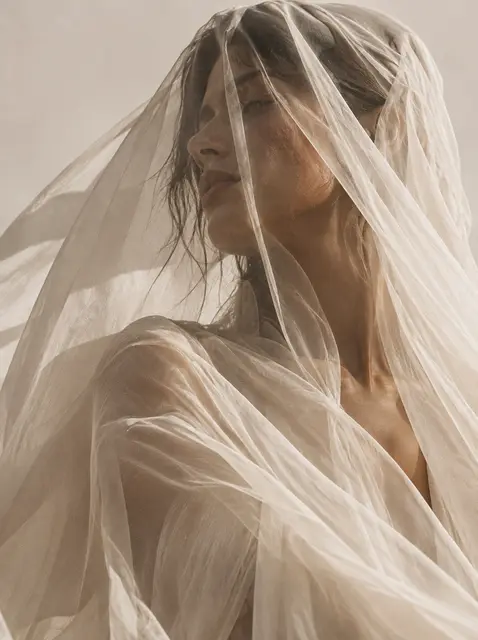
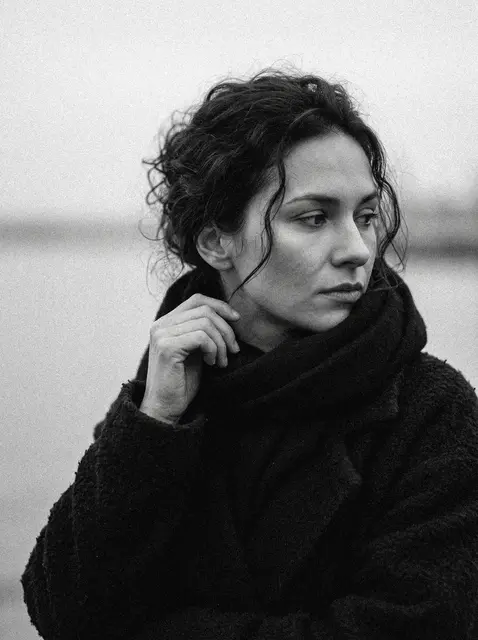
The cape gown isn’t sold off the rail. Its shop panel says “Made to measure” and leads to the atelier, which is where the shop and the atelier meet.
Gowns, tailoring and veils, made to measure in Rome. Each piece starts from one in the journal and is cut to the client.
01 Consultation (in Rome or by video) → 02 Fabric (silk, wool, organza swatches) → 03 Fittings (two to four, over six to ten weeks) → 04 Delivery. Each step gets one photo and two lines of text.
Name, email, city, the piece you have in mind, a preferred month, and in Rome or by video. It’s simulated: the form shows a confirmation and sends nothing.
V1: C4, C2, C10 (light on fabric). V2: E12, E4 (hand and veil read as craft), E13. V3: B4, B8, B5.
Mechanic: read it front to back like the paper journal: cover, letter, contents, the stories in order. Calm vertical reading, one idea per screen. The shop and atelier feel like the back pages of a good magazine.
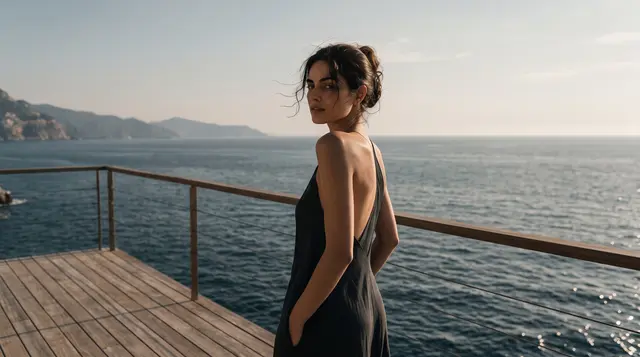
 Issue 01 · Heat · Autumn–Winter 2026
Cover sketch: C3 full-bleed, masthead across the sky, the issue line in small caps.
Warm Mediterranean daylight, stone and black silk. Photos shown whole and framed by wide margins like a printed page, each with a small-caps caption. Type stays modest: the masthead is the only big type, and the photographs do the display work.
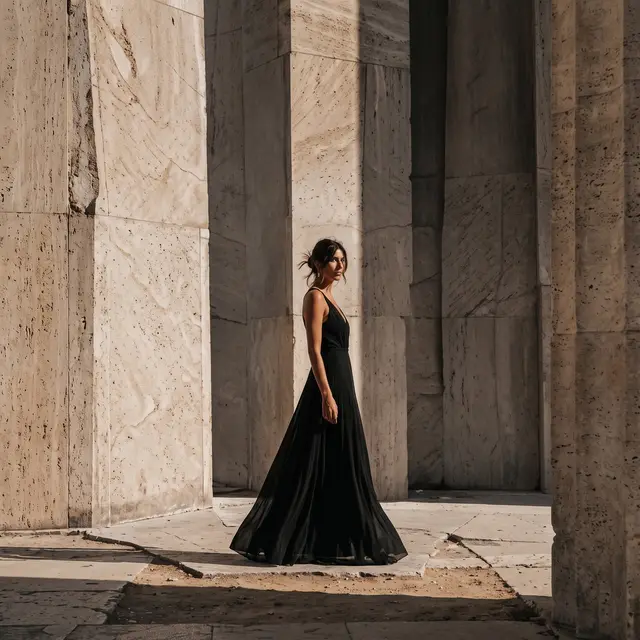
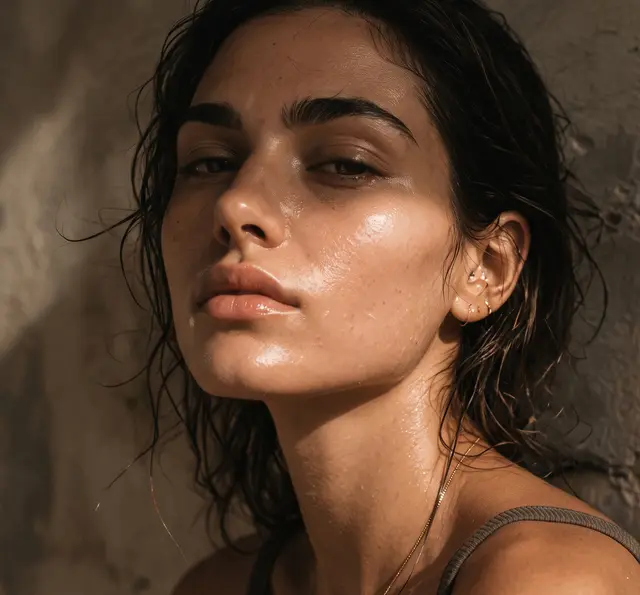
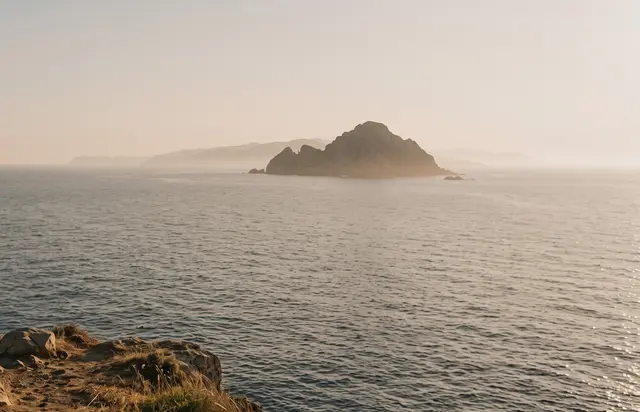
Every story in this issue was shot before eleven in the morning or after five in the afternoon, when the sun is low enough to touch things instead of flattening them.
Masthead: your classic logo as SVG. Titles: Bodoni Moda. Text: Newsreader. Labels and prices: Newsreader small caps.
Mechanic: the issue as a sequence of spreads, each with its own grid: overlaps, offset crops, a tiny caption in a far corner. You move through it like walking through a show. The shop is a wall of pieces, not a catalogue.
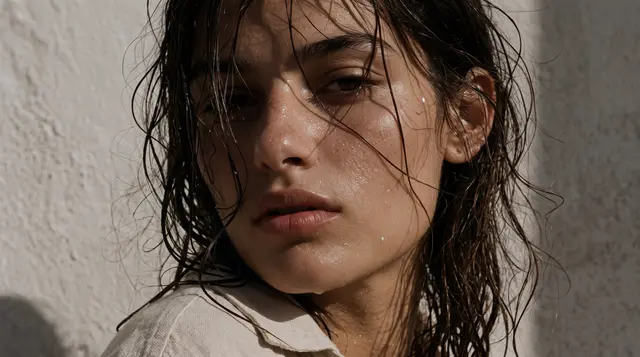

Opening sketch: E3 cropped tight, the modern masthead crossing it, E7 tiny for scale.
Shadow, veil, concrete. Veils and black-and-white portraits sit in dark “smoke” rooms, and E6/E7 open light concrete rooms between them. The main device is scale contrast: an eye at wall size next to a full figure the size of a stamp. The only colour comes from skin.
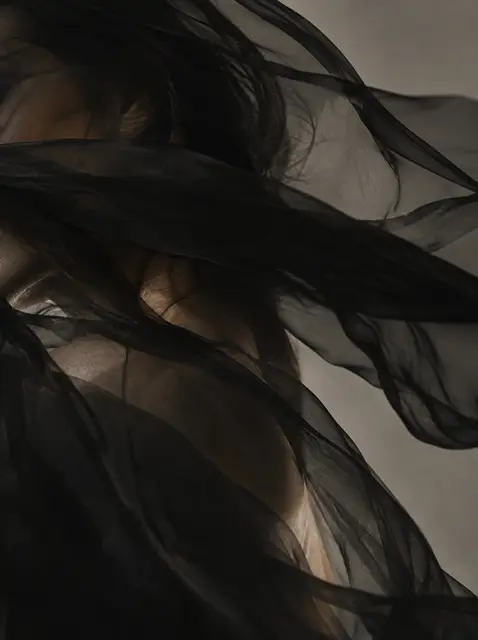
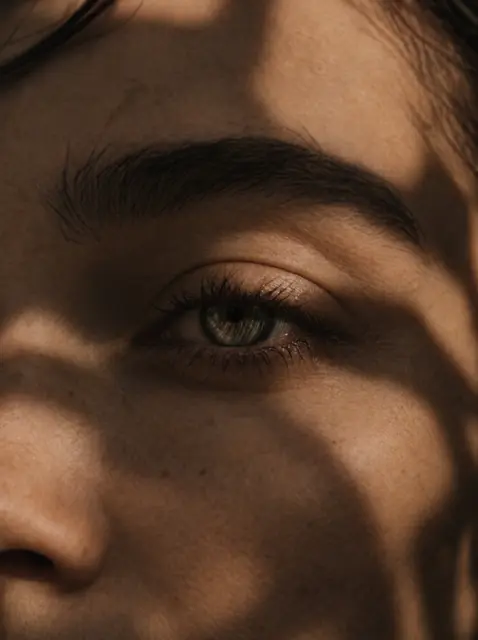
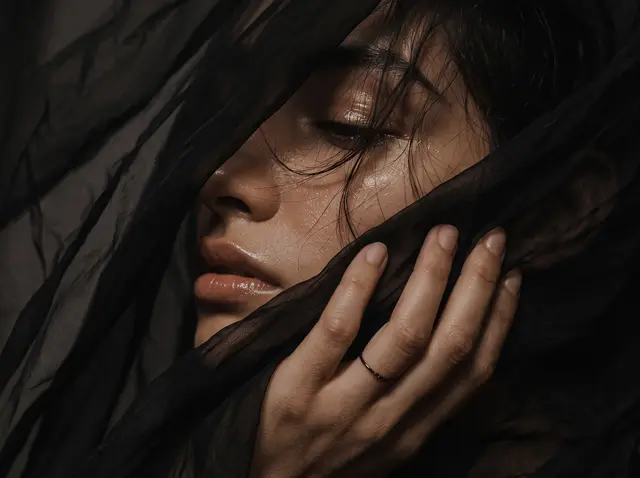
Travertine holds the day’s heat long after the light has gone. Black silk, bare shoulders and the discipline of standing still.
Masthead: your modern logo, used huge exactly once. Everything else is one variable grotesk, Archivo, using its width axis: titles wide and light, captions condensed.
Mechanic: a front page you scan instead of scroll: index-first, on a strict 12-column grid with visible rules, everything numbered. The shop is a catalogue: pieces listed as “No. 01–10” with prices in large type.

Heat.
Issue 01
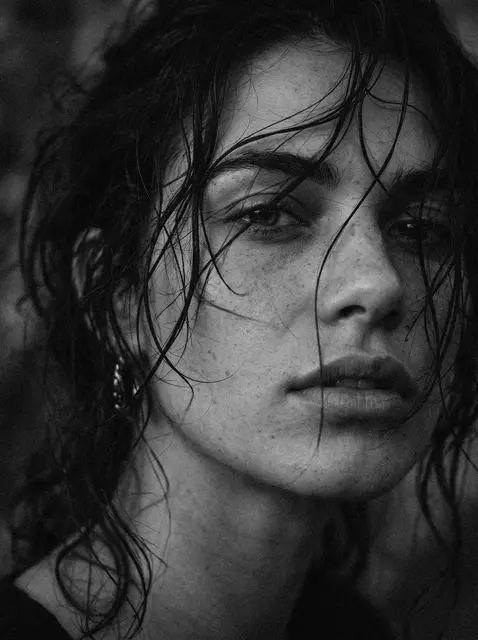
Front-page sketch: the masthead edge to edge on newsprint, B2 in hard frames, the index below.
Black and white, hard light, grain kept. Crimson only where the photographs are red (B4, B7, B8) and on active states. Huge condensed type is deliberately cut off by the screen edge, and photos sit in hard rectangles with 2 px rules. Strict alignment makes it read as intentional, not chaotic.
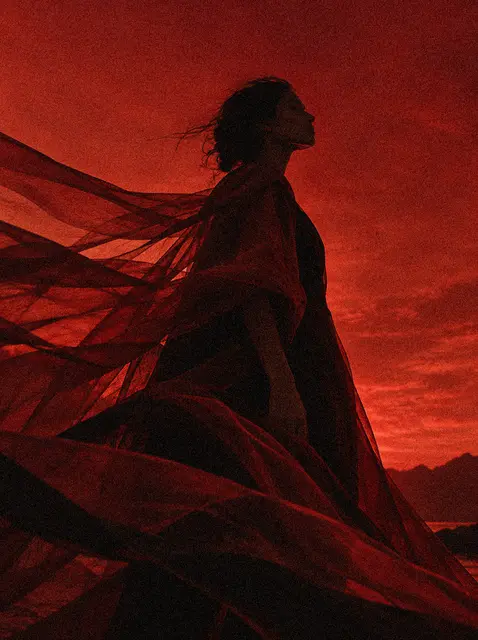
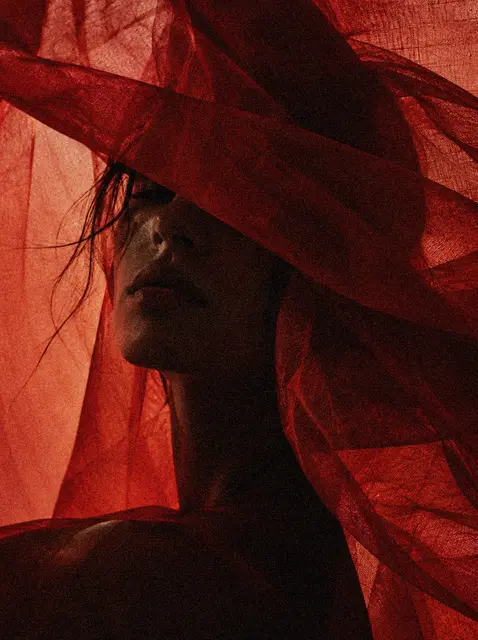
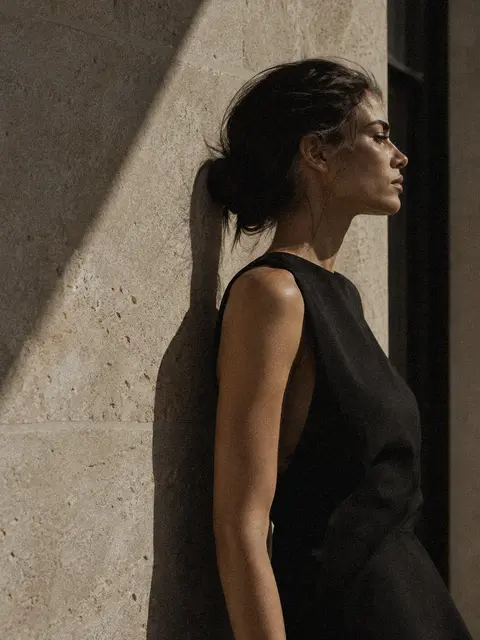
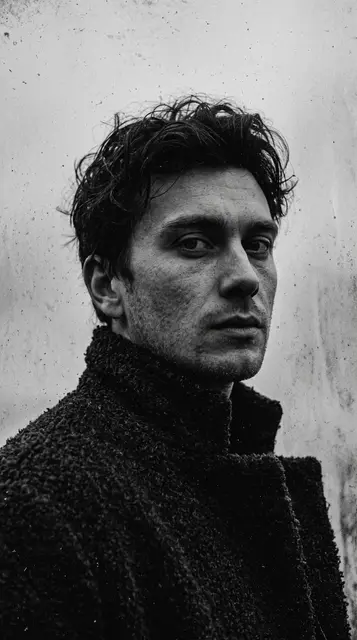
Travertine holds the day’s heat long after the light has gone. Black silk, bare shoulders and the discipline of standing still. Every story in this issue was shot before eleven in the morning or after five in the afternoon.
Masthead: your brutalist logo. Headlines: Anton. Text and meta: Schibsted Grotesk.
All 41, grouped by story. The tags show where each one goes.
C1C2C3C4 C5C6C7C8
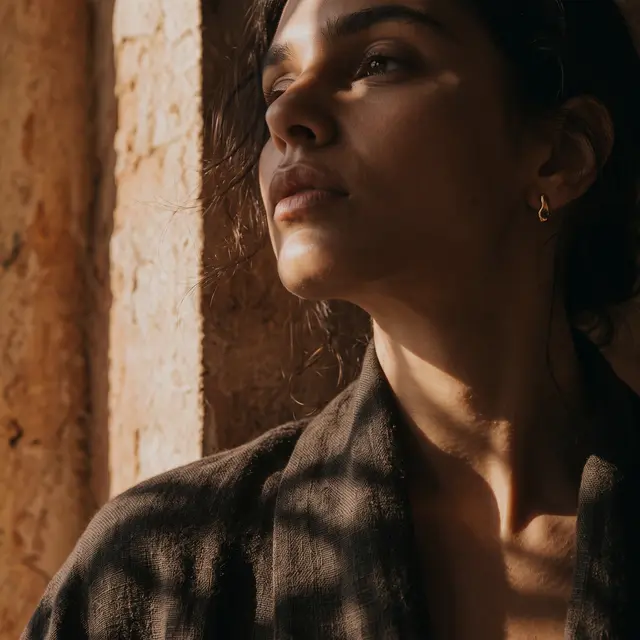 C9
C9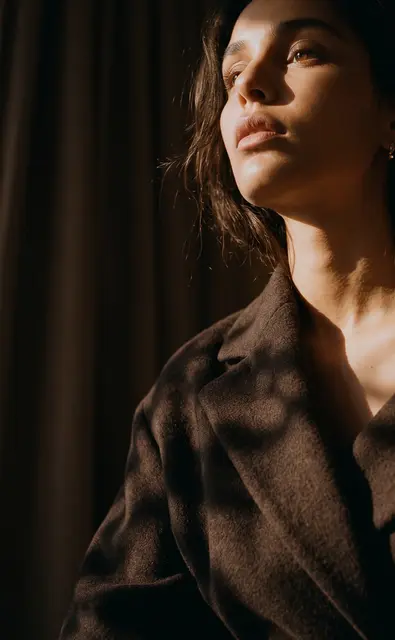 C10
C10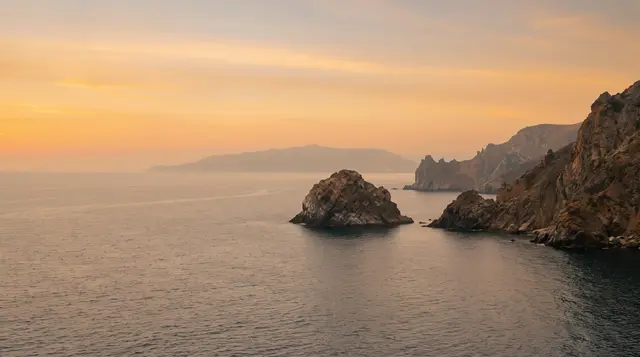 C11weakC12
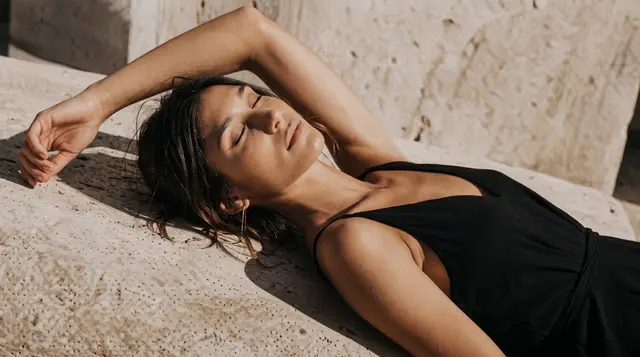 C13C14
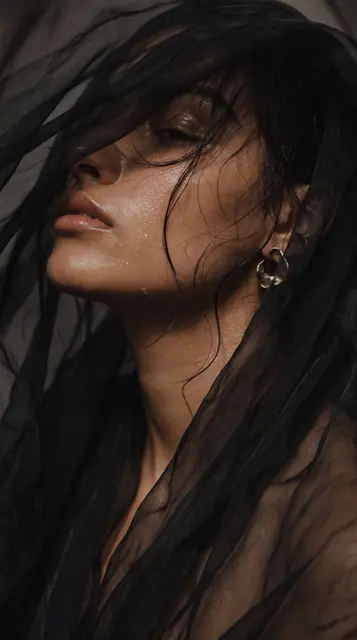 E1
E1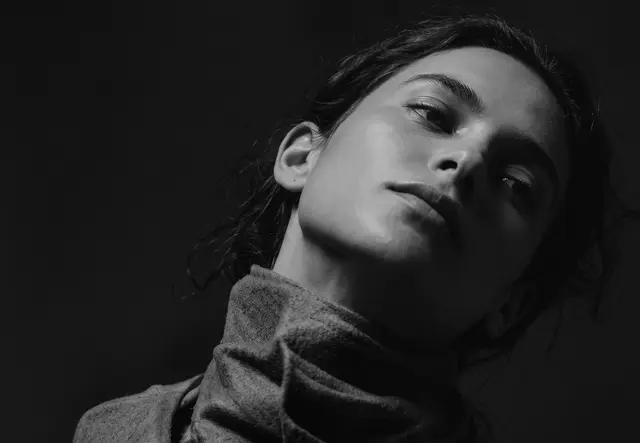 E2E3E4E5
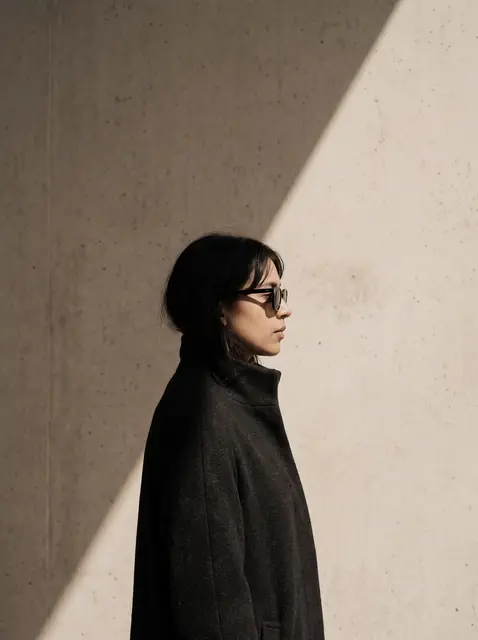 E6E7
E6E7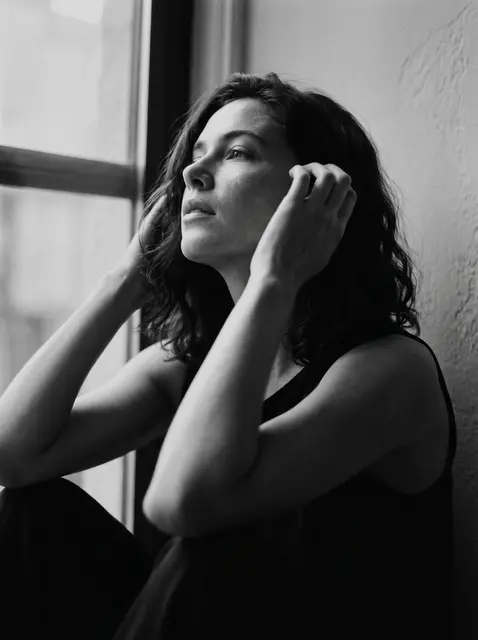 E8
E8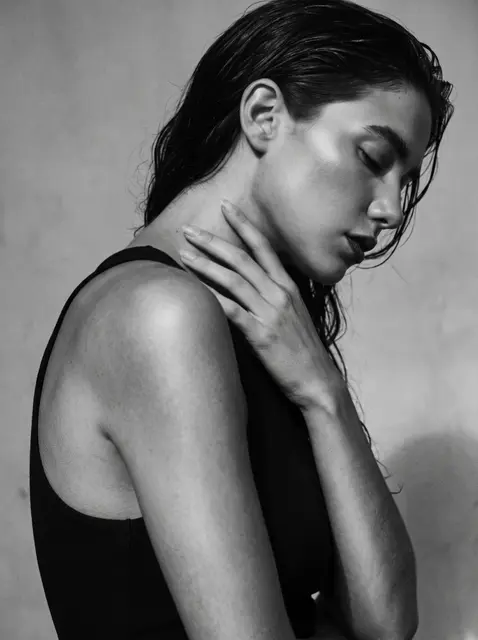 E9E10E11low-resE12low-resE13low-res
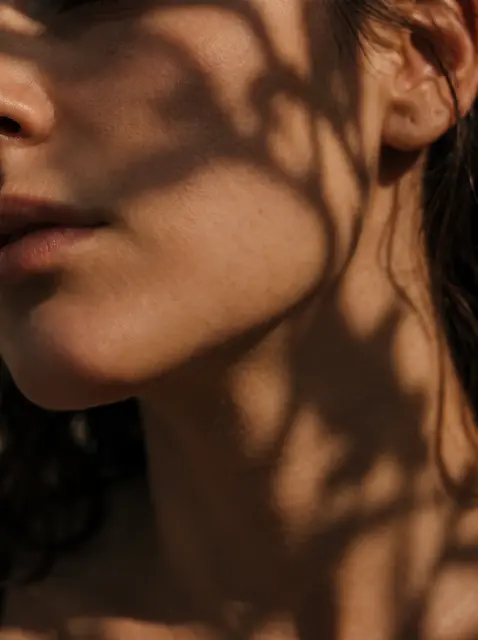 E14low-resB1B2
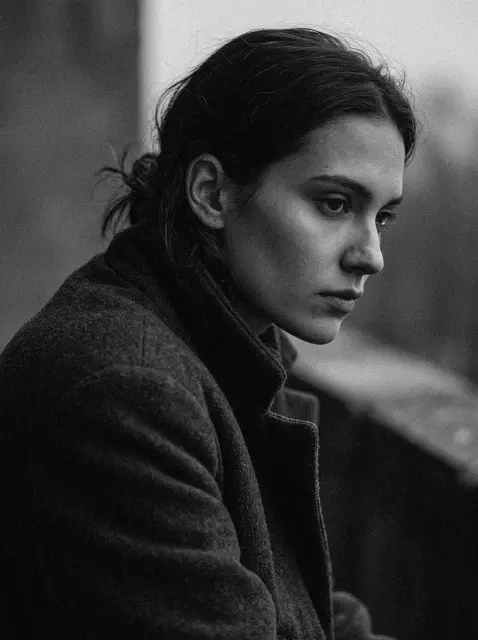 B3B4low-resB5low-res
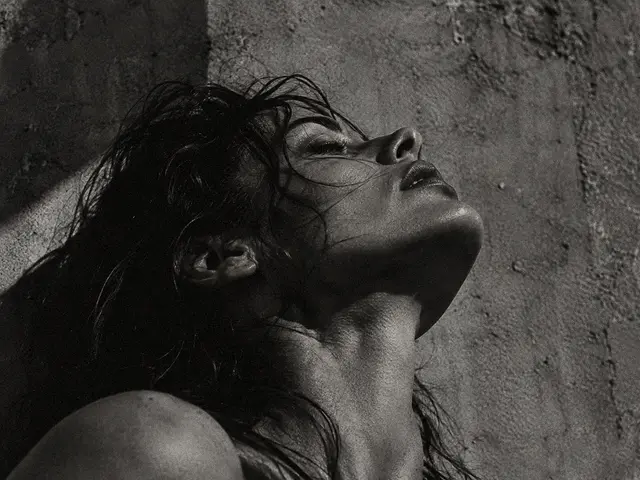 B6ear
B6ear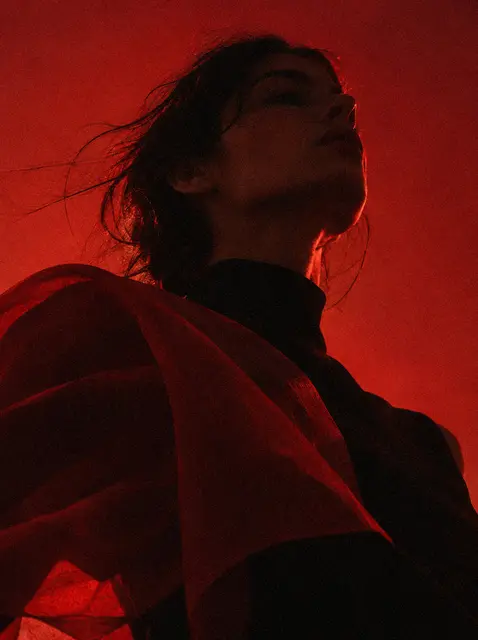 B7low-resB8low-res
 B9
B9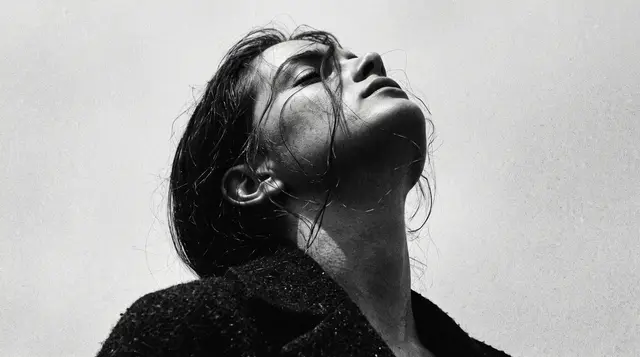 B10
B10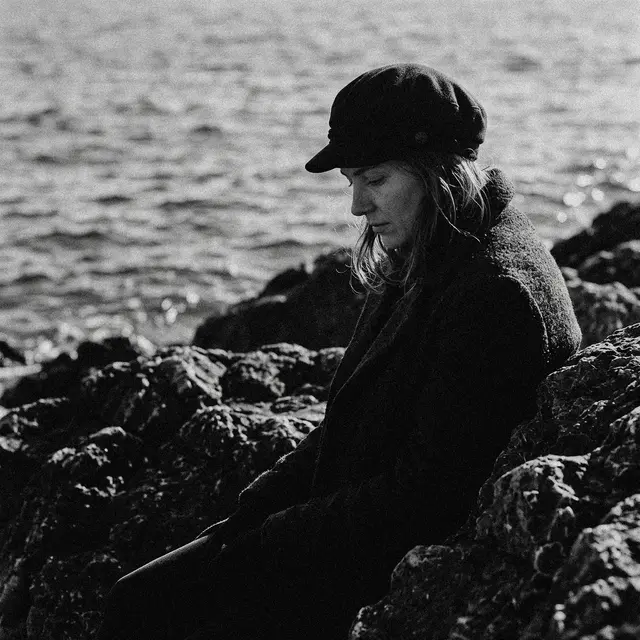 B11
B11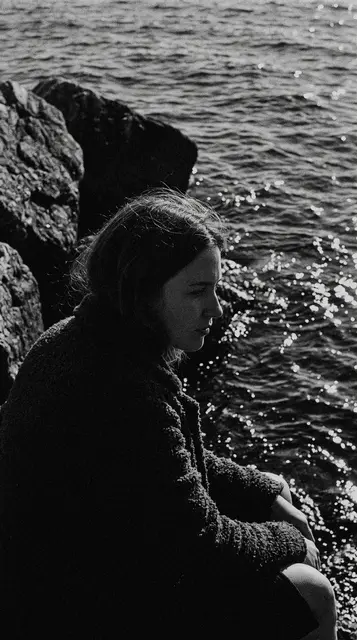 B12B13
All three are raster JPGs. I'll trace them to SVG so they stay sharp at any size. The letterforms are clean, nothing to repair.
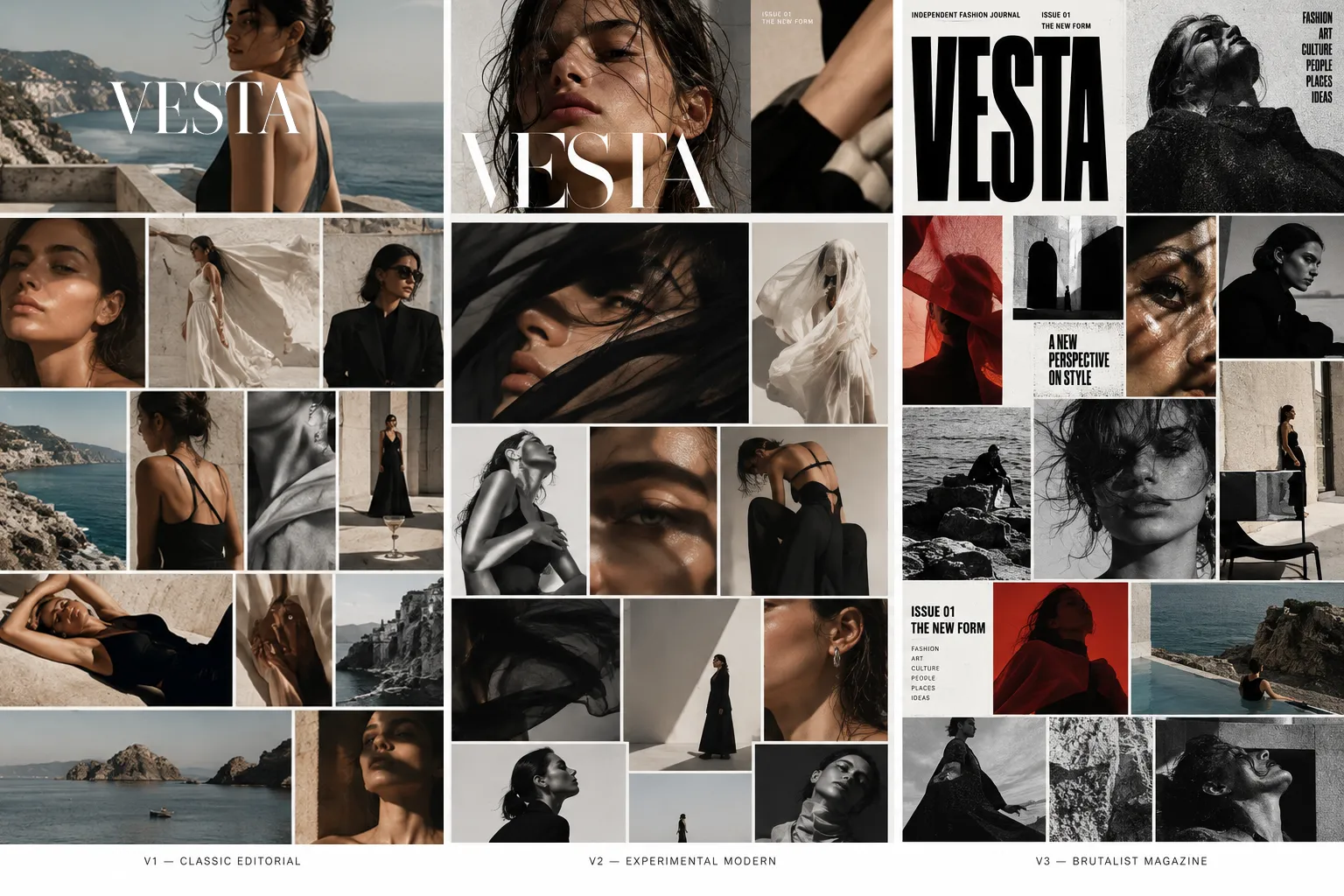
Used for mood only. Its three columns are the same photo mosaic, so each version gets its own way of moving through the site instead.
“Heat”. Issue 01, Autumn–Winter 2026.
Duplicates removed (wide trousers, sunglasses), one unique worn image per piece. Prices can still change. The product-image prompts get written from this list at the final stage.
On your OK: I build the shared base (copy, images, SVG logos, fonts, switcher, shop and bag logic), then three builder agents make V1, V2 and V3, two at a time, with no reviewers. About 2.3–2.7M tokens in total. Polish and full QA come only after you’ve looked.